Mixing Violets & Purples with Da Vinci Paints

Exciting violets are easy to achieve with Da Vinci Paints!
In art history, the color purple (or violet) is a relatively new arrival because this hue was once completely unattainable. Pigments and dyes were originally extracted from natural resources, but not only is violet a somewhat rare occurrence in nature, any attempt to extract it failed due to the color’s fugitive or quickly fading nature. In other words, violet extractions tended to result in a color or dye that looked a lot like brown.
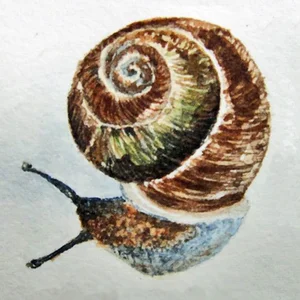
However, about 3000 years ago the Phoenicians discovered a rather ingenious way to create a purple dye that didn’t lose its brilliance. It sounds rather icky to our modern ears, but the color was derived from several species of mollusks — more specifically, their secretions. Not only did the secretions not loose their purple vivacity after extraction, but the color actually became more brilliant over time. Unfortunately, this was a very laborious way to obtain purple since it can reportedly take up to 15,000 mollusks to produce a single gram of dye.
Because of the difficulty involved (and thus the high cost) in obtaining a true purple or violet dye for items such as clothing and paints, only royalty and the very rich had access to it. Instead, artists created purple and violet hues by combining or overlaying blue and red pigments such as lapis lazuli or indigo with red ochre or cinnabar.
Thankfully, artists don’t have to pay dearly for snail mucus today. Through the advances and sometimes happy accidents in chemistry, artists now have a wide variety of violet or purple pigments to choose from. Or they can still make purple like the old masters did by mixing red and blue.
But as many beginning artists have discovered, mixing violet can be a little more complicated than simply combining a red paint with a blue paint. So how do artists mix a truly vivid violet? Below, we share very simple tips on how to mix a wide range of violets and purples with Da Vinci Artist Paints.
In this blog post, we use the terms violet and purple interchangeably. Violet is a more common usage of this color in the artist world, but purple works just fine also.
Artist Tips for Mixing Violet or Purple
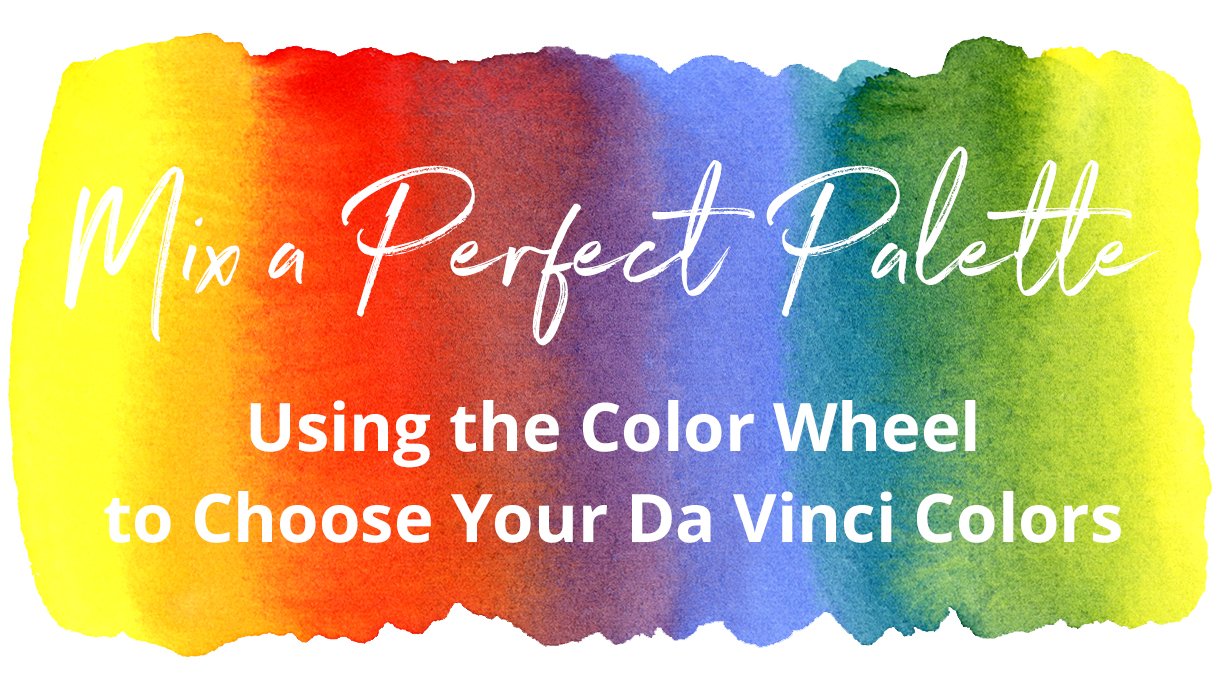
We were often taught that red and blue make violet, and this is true to a certain extent. In the color wheel, red and blue sit along each side of violet so this makes perfect sense. However, if you look more closely at the color wheel, you can see that the reds and blues that sit closest to violet are different than the reds and blues that sit closest to the other secondary colors, orange and green. When mixing, these nuances in colors can have a big influence on the resulting color.
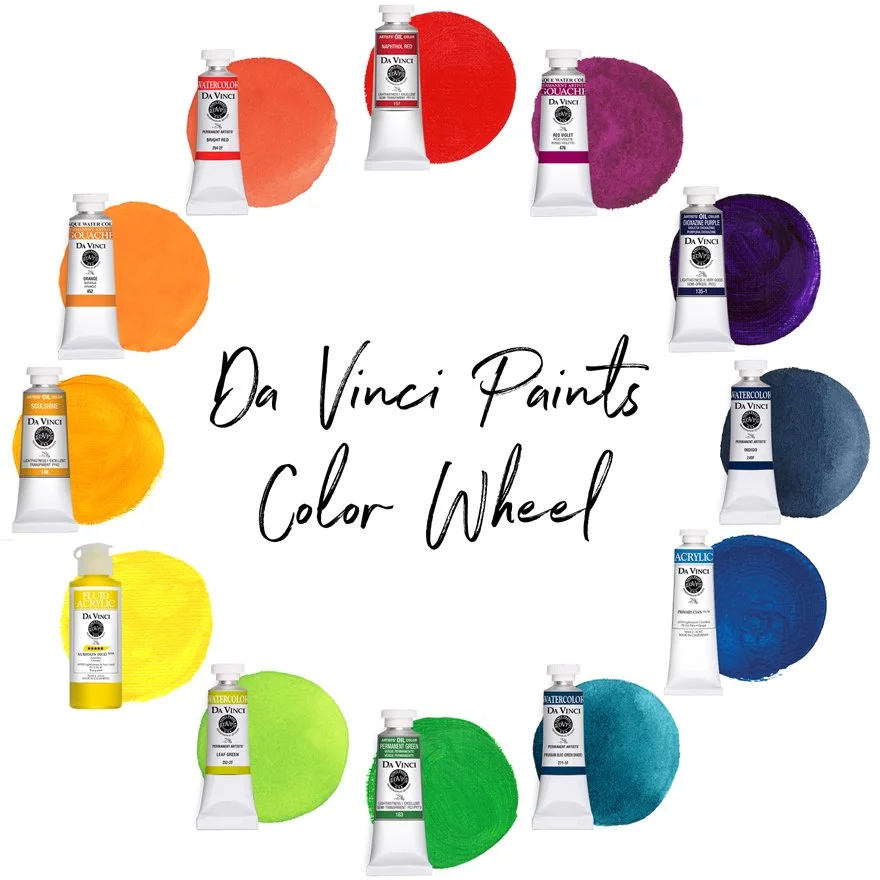
Since reds with blue undertones (or cool reds) and blues with red undertones (or warm blues) sit closest to violet on the color wheel, these are the best colors to use to mix violet.
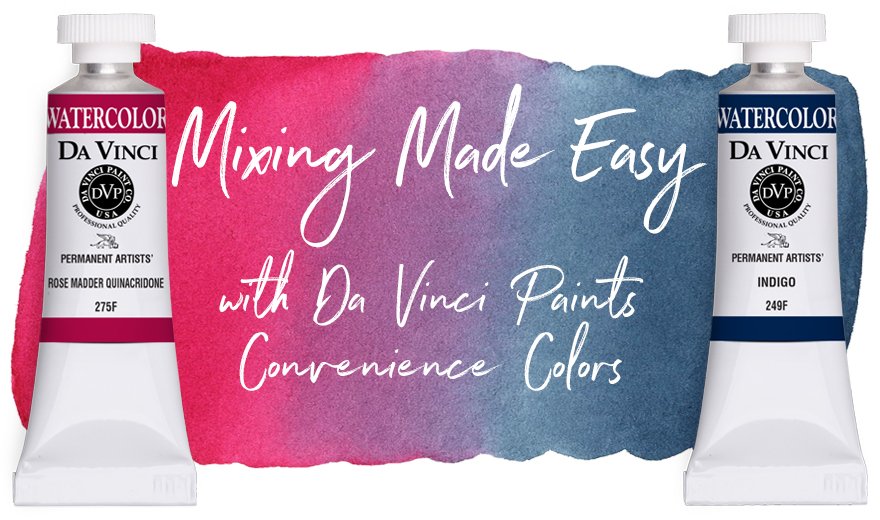
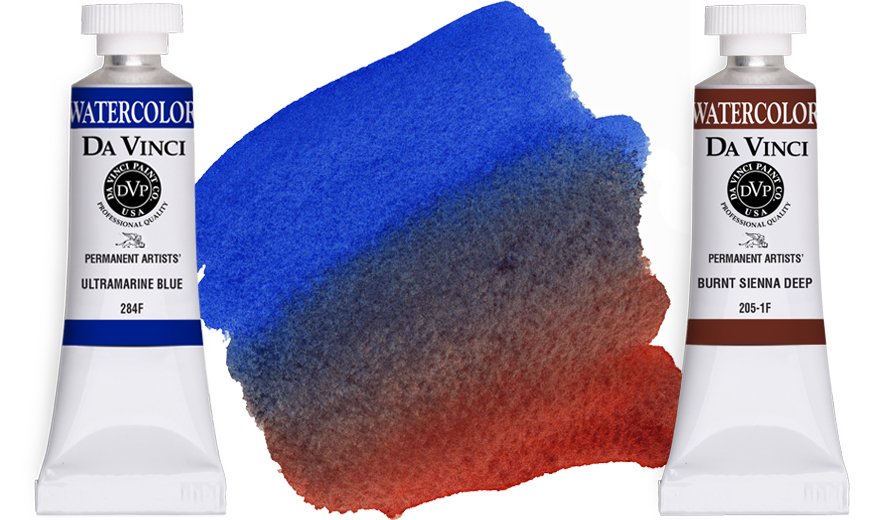
A magenta or red with blue undertones like Magenta Rose, Magenta Quinacridone, Alizarin Crimson, or Quinacridone Red mixed with a blue with red undertones like Phthalo Blue (Red Shade), Cobalt Blue*, or Ultramarine Blue will result in the most vivid, accurate violets. To avoid muted or muddied violets, it also may help to use more transparent colors.
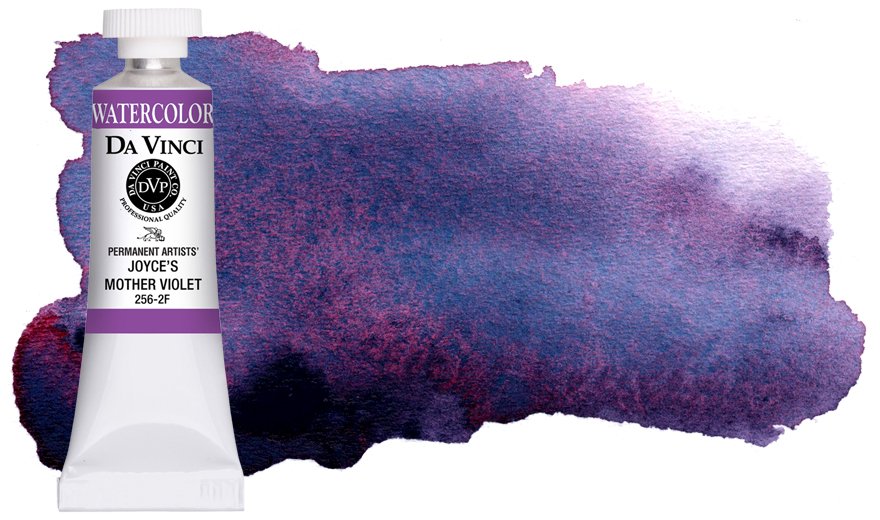
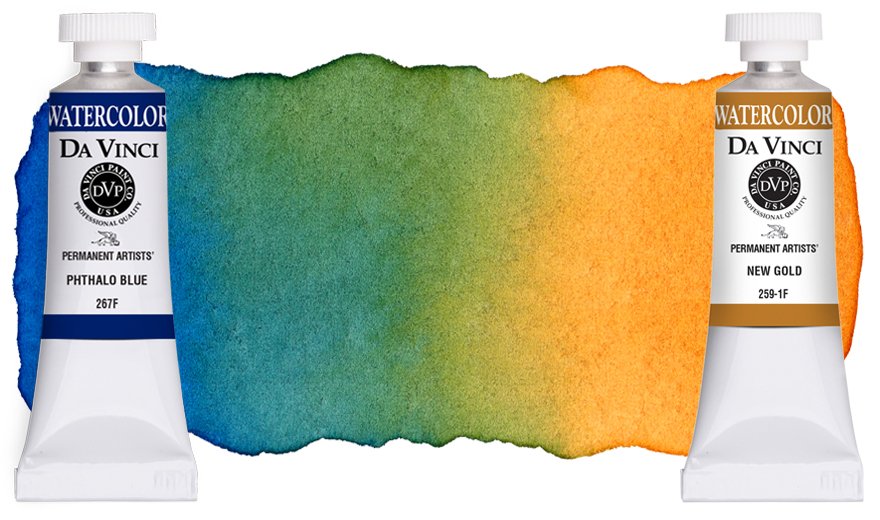
Pigment properties like granulation, transparency, and tinting strength can also affect mixes. For example, the violet mix at the top of the post was created by mixing Da Vinci Artist Watercolors in French Ultramarine (RS) and Quinacridone Red. You can see how the granulation of French Ultramarine adds an exciting dynamic to this violet!
These violet color mixing principles can be used with watercolor, acrylics, gouache, or oils. However, it’s often necessary to add a little bit of white to acrylic or oil mixes to bring out the true violet coloration. If you’re interested in learning more about the artist color wheel, be sure to read our article.
*Some consider Cobalt Blue to be a “true” blue, neither warm nor cool, but we think you’ll be pleasantly surprised how well this color mixes violets!
Tips for Mixing Multiple Shades of Violet
The easy way to create multiple shades of violet is simply to adjust the ratio of blue to red in the mix. For example, using more red will result in a warmer, reddish violet while using more blue in the mix will shift the color closer to a blue violet. The addition of various amounts of white to the mix will lighten violet into a range of lavenders, periwinkles, and lilacs.
In watercolor, adding more water to the mix can also make the violet mixture appear lighter because the color becomes more transparent which allows the white of the paper to show through. The same thinning or glazing effect is often used with oils, acrylics, and gouache also. To create deep, dark purples and violets, try adding a touch of transparent black or a dark earth like Raw Umber.

Beautiful Violets Without Mixing
There is absolutely nothing wrong with purchasing pre-made violets instead of mixing your own. Many artists enjoy having lots of tube colors to choose from, and all Da Vinci colors are carefully crafted with the highest grade of pigments so our colors paint beautifully straight from the tube.
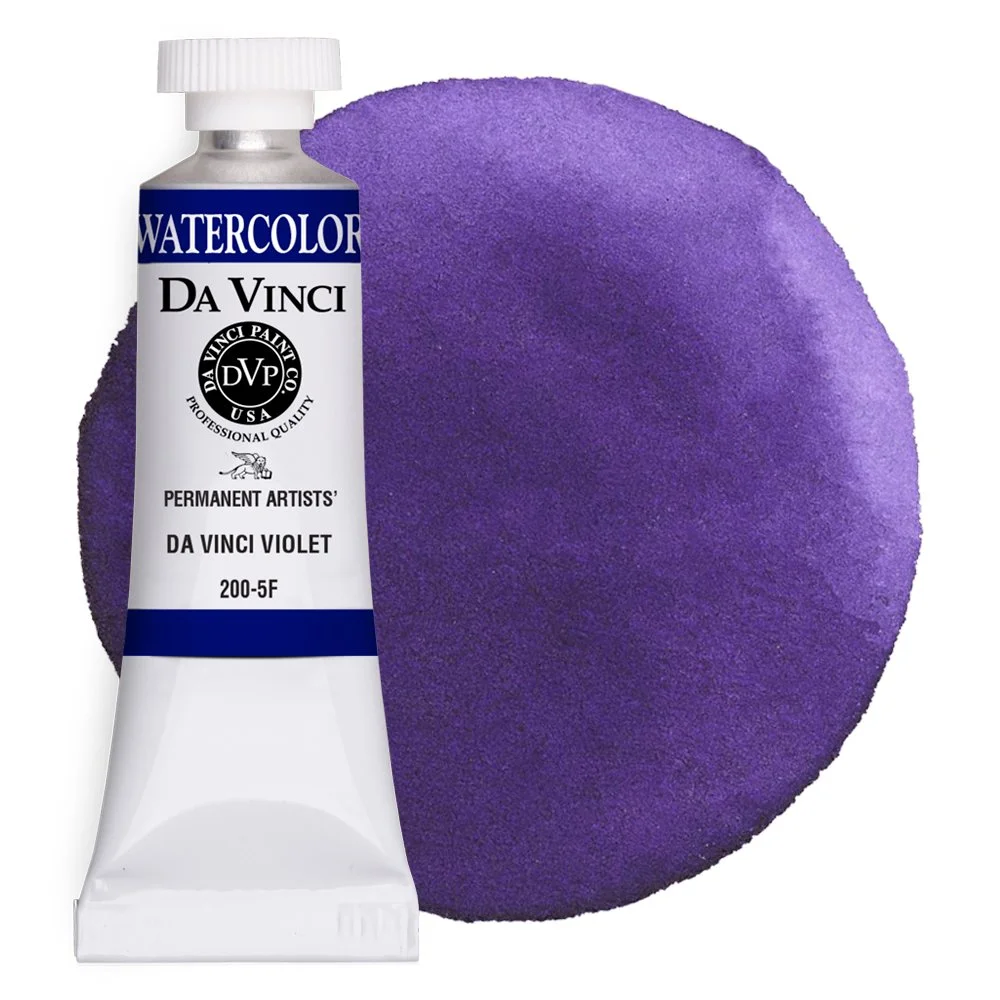
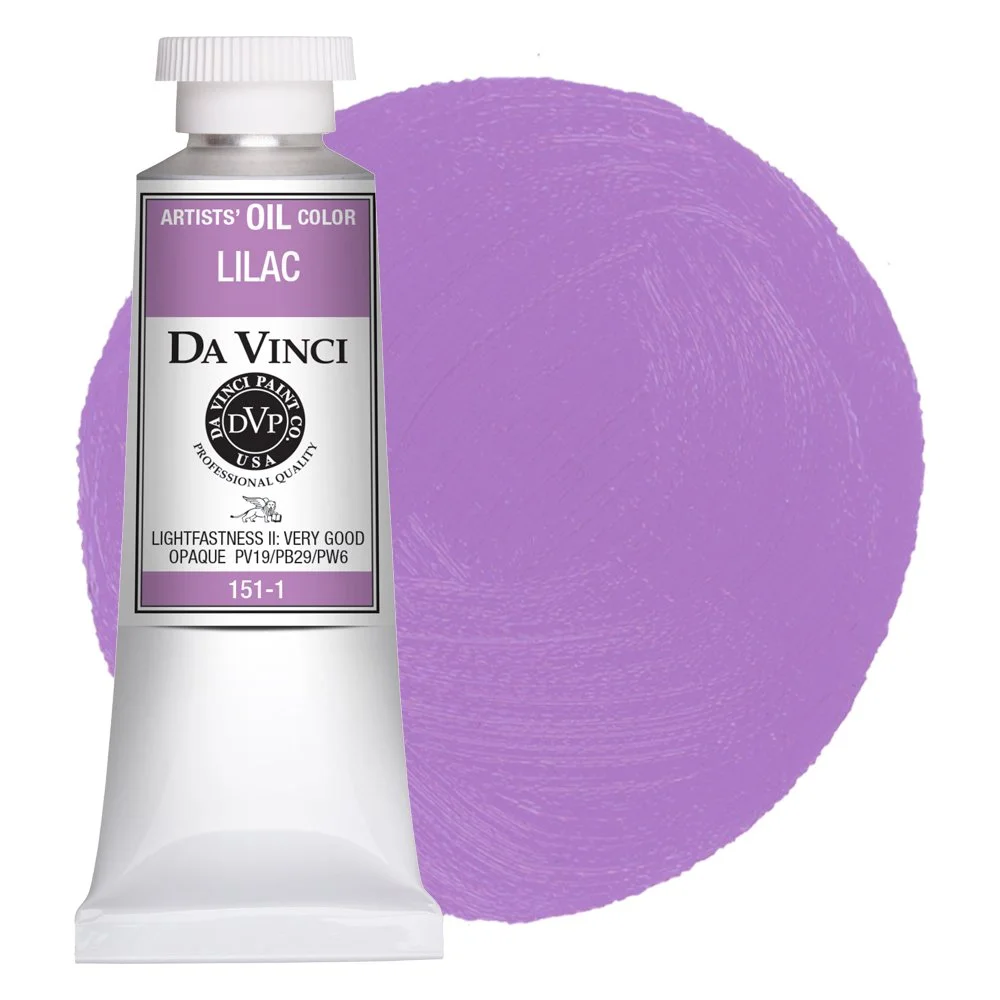
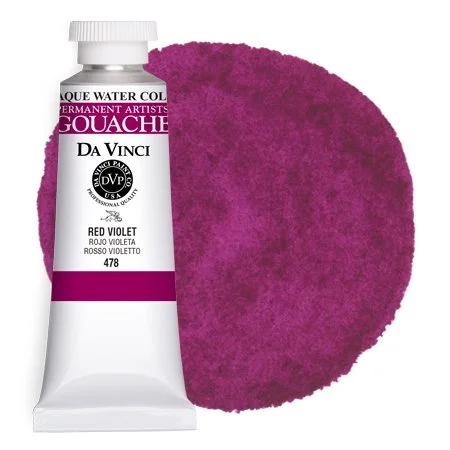
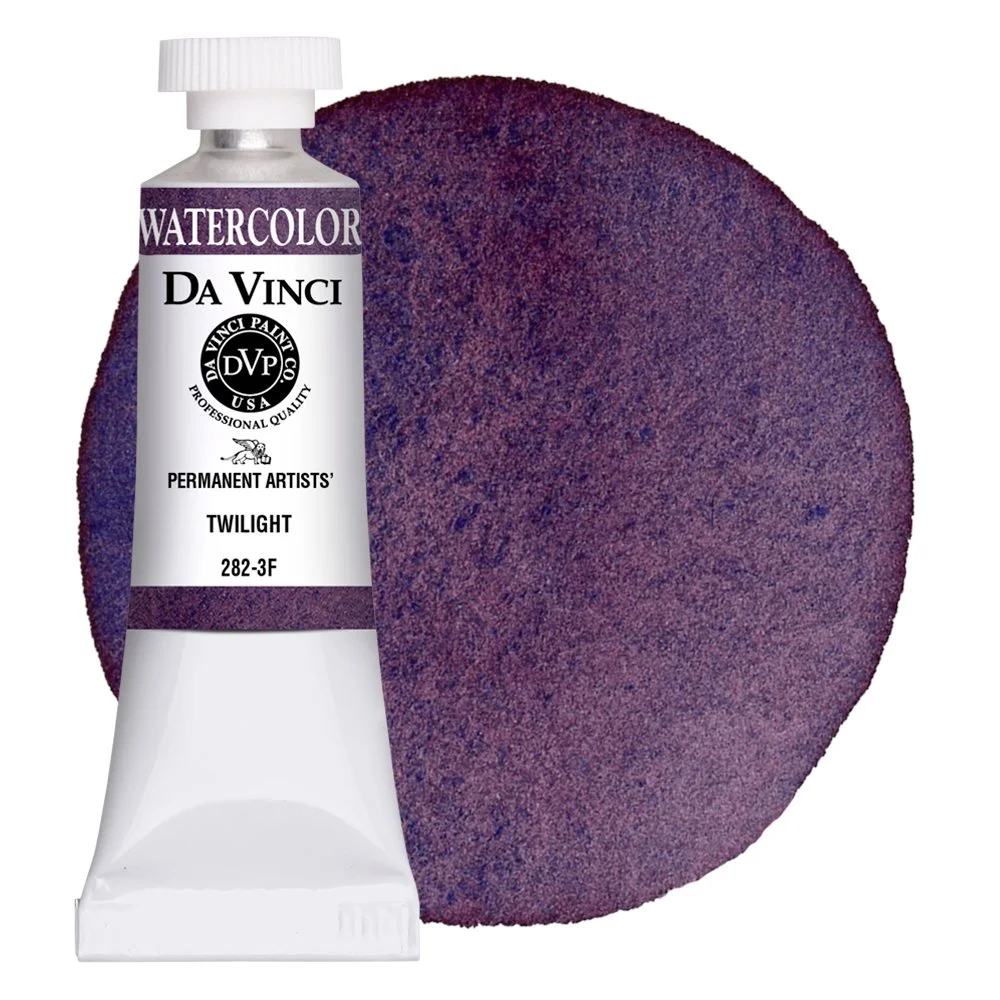
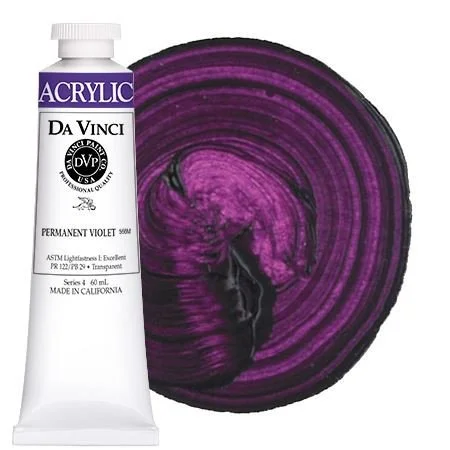
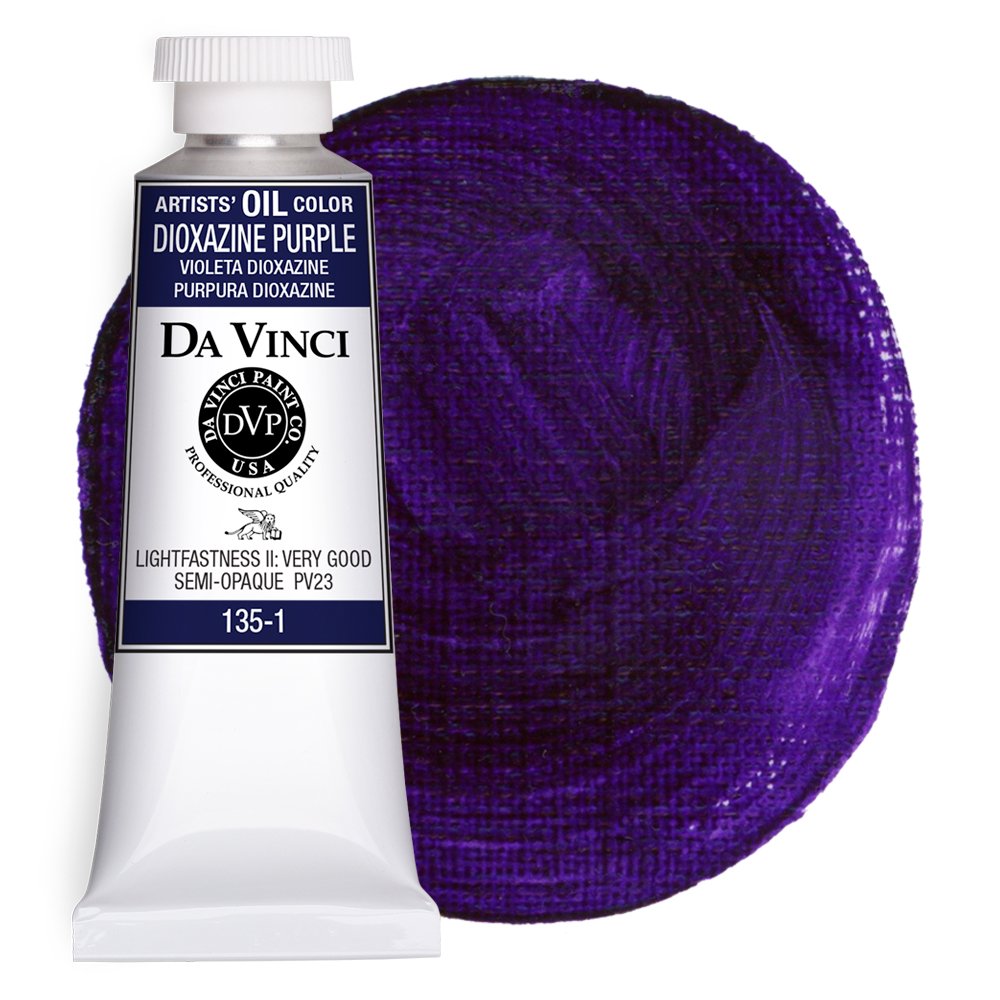
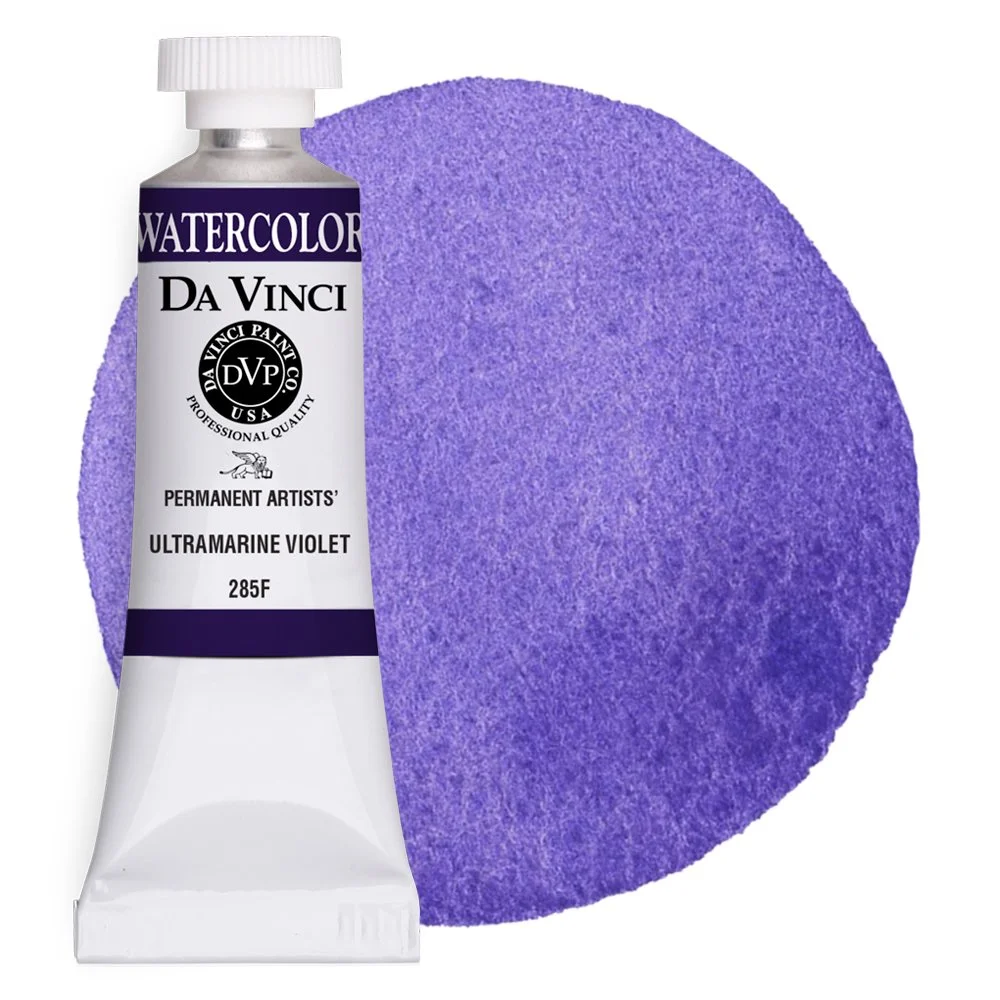
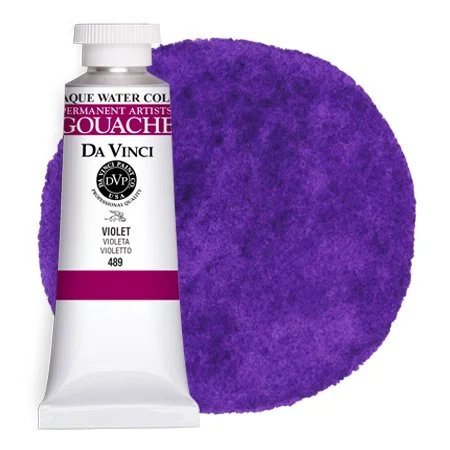
Below are some of our more popular violets and purples in watercolor, gouache, acrylics, and oil, and there are plenty more to choose from at our website. Click on any of the colors below to learn more.
SUBSCRIBE TO DA VINCI PAINTS
Receive notifications of new posts & promotional offers.
Da Vinci Paints never shares subscriber information.
We'd love to see what you create with Da Vinci Paints! Be sure to follow & tag us on social media.
@DaVinciPaints #DaVinciMoment